Cleaning
Pink slime is a bacterium, not a mold
Serratia marcescens. It is a bacterium, it is why the pink film comes back faster than mold would, and the correction changes what you should clean it with.
By Scooter M. · Published · Updated
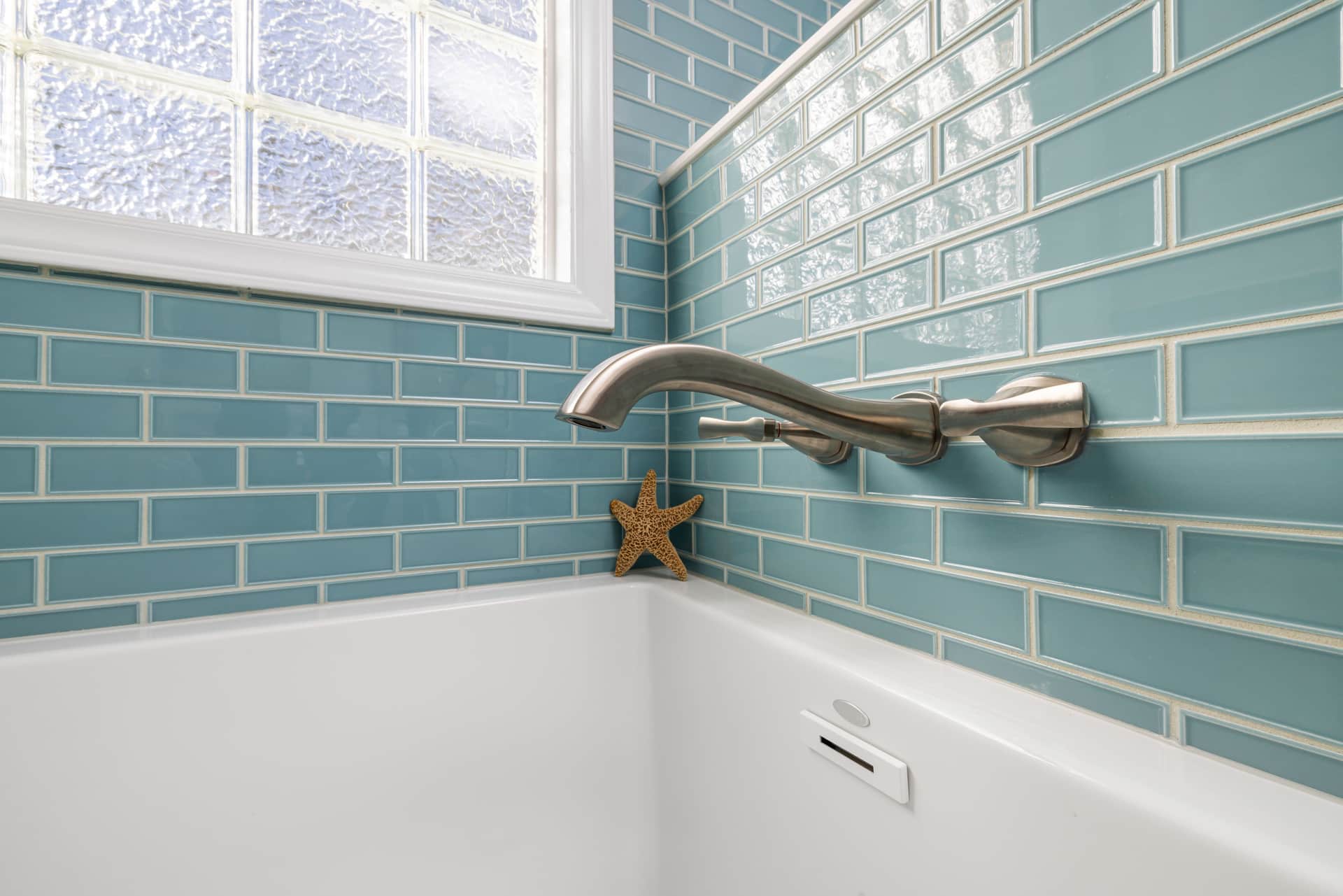
Search for the pink film in a humidifier tank and almost every result calls it pink mold. It is not mold. It is Serratia marcescens, a bacterium, and the distinction is not pedantry: it explains why the film reappears within days of cleaning, why it also turns up in shower corners and toilet bowls, and why the standard mold advice under-treats it.
What Serratia marcescens is
It is a Gram-negative bacterium in the Enterobacteriaceae family, and it produces a red-pink pigment called prodigiosin, which is what you are seeing. It is one of the more historically documented bacteria in the literature precisely because that pigment makes it so visible - it has been mistaken for blood on food for centuries.
It is widespread in the environment and it does well in exactly the conditions a humidifier provides: standing water at room temperature, with a supply of the phosphorus and fatty compounds it metabolizes. That is why it shows up in humidifier tanks, shower corners, tile grout, toilet water lines and pet bowls, and why it is not a sign that your house is unusually dirty.
Why the mold framing leads people wrong
Three practical consequences follow from the correction.
- It returns faster than mold. A bacterium doubling in a warm tank re-establishes a visible film within days, not weeks. If you clean thoroughly and the pink is back on Thursday, that is not a failed clean, that is bacterial growth rate.
- Vinegar is the wrong tool. Vinegar is a descaler. It removes the mineral deposits the film clings to, which helps, but it is not what dislodges a biofilm. The EPA's recommendation for water-contact surfaces is a 3% hydrogen peroxide solution followed by thorough rinsing, and mechanical scrubbing with a brush.
- Scale makes it worse. The EPA notes that scale acts as a breeding ground for microorganisms. Rough mineral deposits give a biofilm somewhere to anchor that smooth plastic does not, which is why hard-water households see the pink film more often.
Is it dangerous?
Here is where we stay carefully inside what we can support. Serratia marcescens is classified as an opportunistic pathogen: it is chiefly a concern for people who are immunocompromised or in hospital settings, and it is not generally regarded as a threat to healthy adults through household contact.
What we can say with a citation, and what actually matters here, is the EPA's own position on humidifiers generally: microorganisms often grow in tanks containing standing water, and breathing mist containing these pollutants has been implicated as causing a certain type of inflammation of the lungs. A humidifier is a device for aerosolizing the contents of its tank into the air of the room you sleep in. That is reason enough to take the film seriously without anybody needing to overstate the organism.
Removing it
Removing a pink biofilm · PT40M
You need3% hydrogen peroxide, White vinegar or citric acid, A stiff brush, A clean towel
- Unplug, disassemble, empty everythingTank, base, tray, cap, nozzle. The base matters most - it is the warmest standing water in the machine.
- Descale first if there is visible scaleVinegar or citric acid, 20 to 30 minutes. Removing the mineral crust removes the anchor the biofilm is clinging to. Rinse thoroughly afterwards.
- Scrub mechanicallyThis is the step that actually removes a biofilm. A stiff brush on every surface the film touched. Chemistry loosens it; the brush removes it.
- Disinfect with 3% hydrogen peroxideThe EPA's stated method for water-contact surfaces. Give it contact time on the surfaces rather than wiping it straight off. Never do this in the same session as the acid step without rinsing in between.
- Rinse thoroughlySeveral changes of clean water. Thorough rinsing is part of the EPA instruction.
- Dry completelyBone dry before reassembly. A damp component is a starting culture for the next film.
- Change what you do dailyEmpty and dry the tank every day. This is the step that stops it coming back, and it is the one people skip.
Stopping it coming back
- Empty and dry the tank daily. The EPA's instruction, and the single most effective preventive measure. Standing water is the condition; remove the condition.
- Clean every third day, not weekly.
- Do not top up. Adding fresh water to old water gives you old water. Empty, rinse, refill.
- Use low-mineral water. Less scale means less anchor. See which water to use.
- Dry it between uses if the machine can. Levoit's Superior 6000S has a Dry Mode that dries the wicks; Canopy runs a fan whenever it detects moisture inside. Both attack the standing-water condition rather than the organism.
- Buy a machine you can reach inside. A wide opening and dishwasher-safe parts are worth more than any antimicrobial claim. See easiest to clean.
Actual mold, when you do have it
Black, green or gray and fuzzy rather than pink and slimy. It grows more slowly, and in a humidifier it usually appears on a wick or filter rather than on smooth tank plastic. A wick with visible mold is not cleaned, it is replaced - see filter care. If the smell persists after a full clean and a new wick, the growth is somewhere in the water path you cannot reach, and the machine has reached the end of its useful life. See mold symptoms, and preventing mold for keeping it from starting.
Questions people actually ask
What is the pink slime in my humidifier?
Serratia marcescens, a bacterium. It produces a red-pink pigment called prodigiosin, which is the color you can see. It is not mold, despite nearly every guide calling it pink mold, and it is the same organism that produces pink rings in toilet bowls and shower corners.
How do you get rid of pink slime in a humidifier?
Descale with vinegar or citric acid to remove the mineral crust the film anchors to, rinse, then scrub mechanically with a stiff brush - that is the step that actually removes a biofilm - then disinfect the water-contact surfaces with 3% hydrogen peroxide as the EPA recommends, and rinse thoroughly. Then empty and dry the tank daily so it does not come back.
Is pink mold in a humidifier dangerous?
It is not mold, it is a bacterium, and Serratia marcescens is generally described as an opportunistic pathogen of concern chiefly to immunocompromised people rather than to healthy adults through household contact. What is worth taking seriously is the EPA's general point: a humidifier aerosolizes whatever is in its tank, and breathing mist containing microbial growth has been implicated in a type of lung inflammation. If someone in the house has a respiratory condition, ask their clinician rather than a website.
Why does the pink film come back so quickly?
Because it is bacterial rather than fungal, and bacteria in warm standing water re-establish a visible film in days. It is not evidence that your cleaning failed. The fix is removing the standing water daily rather than cleaning harder every few weeks.
Does vinegar kill pink slime?
Not reliably on its own. Vinegar dissolves the mineral scale the biofilm clings to, which helps a great deal, but the removal is mechanical - a brush - and the disinfection step the EPA names is 3% hydrogen peroxide, rinsed thoroughly. Never use bleach and vinegar together.
Sources
Every figure on this page came from one of the documents below, read on the date shown. We do not cite other review sites, forum posts or video reviews as sources of fact.
- Etymologia: Serratia marcescens - Emerging Infectious Diseases, US Centers for Disease Control and Prevention (the organism behind pink film, a bacterium and not a mold)
- US Environmental Protection Agency - Use and Care of Home Humidifiers (relative humidity ceiling, three-day cleaning interval, low-mineral water, microorganism warning)
- Levoit Superior 6000S - manufacturer spec page (retrieved September 1, 2026)
- Canopy Humidifier - manufacturer spec page (retrieved September 1, 2026)
- National Capital Poison Center - the US poison helpline (1-800-222-1222). Cited for the standing advice never to combine household cleaning products; chlorine bleach plus an acid such as vinegar releases chlorine gas.
Read next
We earn a commission if you buy through the links on this page, at no extra cost to you. It does not change what we recommend or the order the picks appear in. Full disclosure. Prices checked October 17, 2026.

How to clean a humidifier
The full cleaning method, the EPA's stated intervals, and the two corrections this category keeps getting wrong.
Is there mold in your humidifier?
Identifying mold in a humidifier, distinguishing it from bacterial film and mineral scale, and deciding whether the machine is worth saving.
Easiest to clean
The humidifiers that are easiest to clean
Units designed around the maintenance problem: dishwasher-safe parts, wide openings and drying cycles, on published manufacturer features.
Top pick: Honeywell HCM350 Germ Free Cool Moisture · 1.0 gal/day
#ad · how this is funded · price as of October 17, 2026
Found a number that is wrong? Tell us and we will fix it and say so. How we pick shows every formula used on this page.