Cleaning
How to clean a humidifier
A humidifier is a warm reservoir of standing water with a fan pointed at it. Kept clean it is a comfort appliance; neglected it is a machine for aerosolizing whatever grew in the tank.
By Scooter M. · Published · Updated

The EPA's guidance on home humidifiers is unusually direct for a government document, and it is worth reading before anything else in this category. Two instructions matter most: clean portable humidifiers every third day, and empty, dry and refill the tank daily. Not weekly. Not when it looks dirty.
The reason for that cadence is in the same document. Microorganisms often grow in humidifiers with tanks containing standing water, and the EPA states that breathing mist containing these pollutants has been implicated as causing a certain type of inflammation of the lungs. That is the whole argument for the schedule, and it is why this hub leads with the method rather than with a product.
The schedule
| Interval | Task | Source |
|---|---|---|
| Daily | Empty the tank, dry it, refill with fresh water | EPA |
| Every 3 days | Clean all surfaces that touch water | EPA |
| Every 1-2 weeks | Descale, if you use tap water | Manufacturer practice |
| Per the manual | Replace or clean the wick or filter | Varies by unit - see filter care |
| End of season | Deep clean, dry completely, store dry | General practice |
The daily empty-and-dry is the one people skip and it is the one that matters most. Standing water at room temperature is the entire problem; a tank that is emptied and dried each morning has nothing living in it by evening. Full reasoning on how often to clean a humidifier.
What to clean it with
Three products, three different jobs, and they are not interchangeable.
| Product | Job | Notes |
|---|---|---|
| White vinegar | Descaling - dissolving mineral scale | Levoit publishes its own method: one cup of white vinegar with water, soak 20 to 30 minutes. Full procedure |
| 3% hydrogen peroxide | Disinfecting water-contact surfaces | This is what the EPA specifically recommends, followed by thorough rinsing |
| Citric acid | Descaling, where vinegar is unwelcome | No smell, and it is what many descaling tablets already are. Without vinegar |
The basic method
The every-third-day clean · PT25M
You needWhite vinegar or citric acid, 3% hydrogen peroxide, A soft brush, A clean towel
- Unplug it and take it apartEverything that comes apart without tools comes apart. Tank, base, tray, cap, wick housing.
- Empty and rinseTip out whatever is in the base, not just the tank. The base is the warm part and it is where films form first.
- Descale with vinegarOne cup of white vinegar topped up with water into the tank and the base. Leave it 20 to 30 minutes - that is Levoit's own published soak time for its units.
- Brush every surface the water touchesThe EPA is specific about using a brush to scrub the tank and remove scale and deposits. Scale is not just cosmetic: it is a breeding ground for microorganisms.
- DisinfectWipe or soak the water-contact surfaces with 3% hydrogen peroxide, which is what the EPA recommends. Do not use it in the same session as vinegar without rinsing first.
- Rinse thoroughly, then rinse againThorough rinsing is part of the EPA's instruction, not an optional finish. Anything left behind is going into the air.
- Dry completely before reassemblingA component put away damp is a component that grows something. Leave the parts on a towel until they are genuinely dry.
Machines that make this easier
The design of the machine decides whether you keep to the schedule, more than good intentions do. Three things genuinely help, and all three are published specifications you can check before buying:
- A wide opening. If you cannot get a hand and a brush inside, the base will not get cleaned. Levoit makes a point of the Classic 160's base having no hard-to-reach corners.
- Dishwasher-safe parts. Honeywell's HCM350 tank is dishwasher safe and break resistant. Canopy goes further: tank, tray, cap and grill all go in.
- A drying cycle. Levoit's Superior 6000S has a Dry Mode that dries the wicks between runs, and Canopy runs a fan whenever it detects moisture inside the unit. Both attack standing water directly instead of adding an antimicrobial coating and hoping.
The full comparison is on the humidifiers that are easiest to clean. The one design that removes the problem entirely is a ducted whole-house unit, which has no reservoir at all - it is plumbed to the supply and drains to waste, so nothing stands in it. See whole house.
What goes wrong, and where to read about it
| What you see | What it is | Page |
|---|---|---|
| Pink or orange slimy film | Serratia marcescens, a bacterium | Pink slime and mold |
| Black or green fuzzy patches | Actual mold | Pink slime and mold |
| White powder on furniture | Dissolved minerals from your water | White dust |
| Crusty white deposits inside the tank | Scale, the same minerals left behind | Vinegar method |
| A musty smell from the outlet | Growth somewhere in the water path | Mold symptoms |
| Reduced output, stiff wick | A clogged or exhausted filter | Filter care |
| Musty smell only when the furnace runs | Growth in a ducted humidifier or its duct | Furnace humidifier mold |
The one upstream fix
Most of the above is downstream of what you put in the tank. The EPA advises using water with low mineral content, such as distilled, and is explicit that ultrasonic and impeller humidifiers are very efficient at dispersing the minerals in tap water into the air. Switching water is the single change that reduces scale, white dust and cleaning workload at once. Whether it is worth the cost and the hauling is worked through on which water to use.
Everything in Cleaning
We earn a commission if you buy through the links on this page, at no extra cost to you. It does not change what we recommend or the order the picks appear in. Full disclosure. Prices checked October 17, 2026.
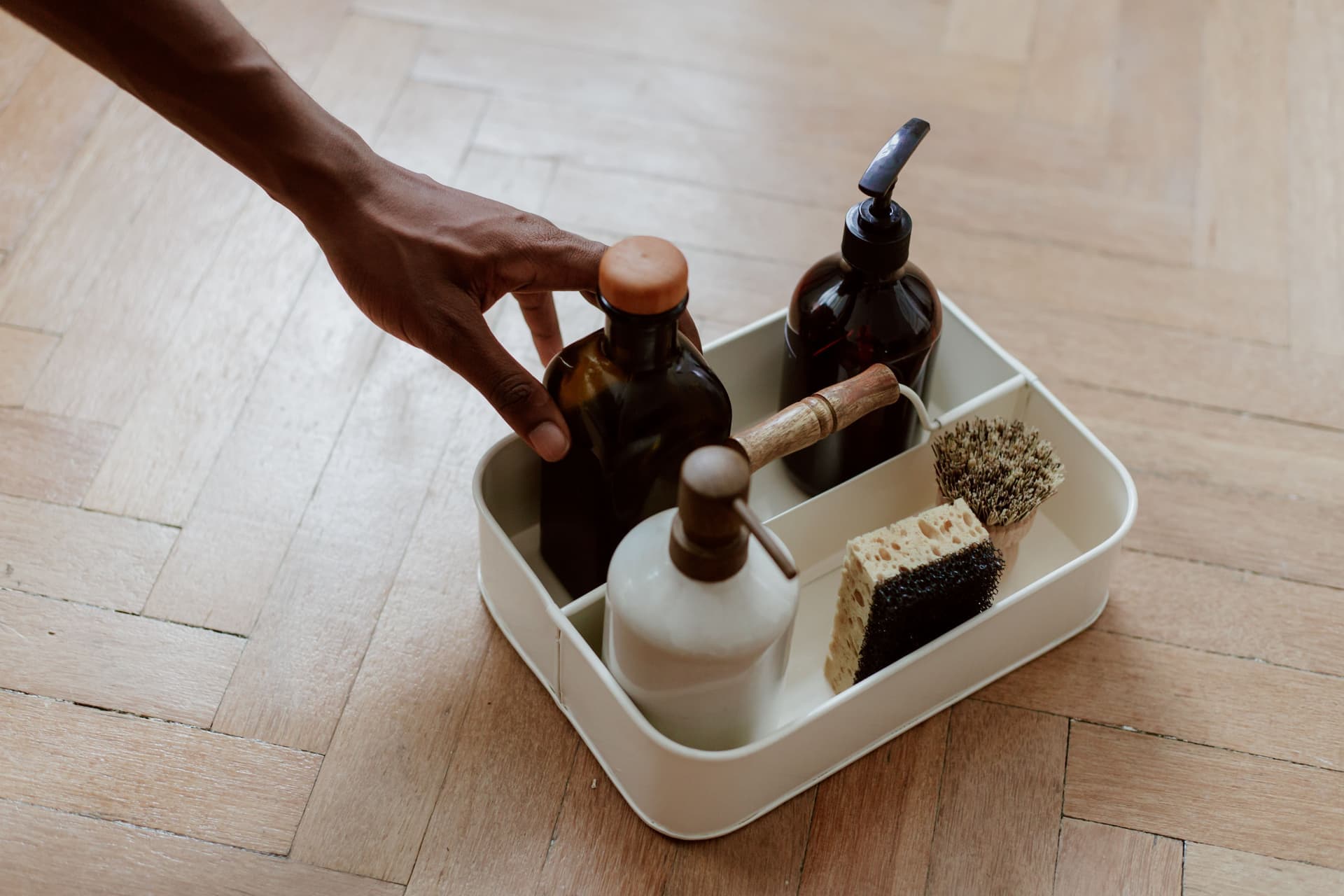
Cleaning a humidifier with vinegar
The step-by-step vinegar descaling method, including the manufacturer-published soak time and the safety rule that matters.

Cleaning a humidifier without vinegar
The alternatives to vinegar, what each is actually for, and a straight answer on whether bleach belongs anywhere near a humidifier.
Pink slime is a bacterium, not a mold
The correction: pink humidifier film is Serratia marcescens, a bacterium rather than a mold, and treating it as mold is why it keeps returning.

White dust: your water, made airborne
What white dust is, why only ultrasonic and impeller units produce it, and the three fixes ranked by how well they work.

Distilled, filtered or tap?
Distilled against tap water: what each fixes, what neither fixes, and the seasonal cost of the recommendation.
Filter care
Cleaning a humidifier filter versus replacing it
When rinsing a wick genuinely helps and when it is past saving, plus what each manufacturer actually publishes about intervals.
Top pick: Honeywell HCM350 Germ Free Cool Moisture · 1.0 gal/day
#ad · how this is funded · price as of October 17, 2026
Is there mold in your humidifier?
Identifying mold in a humidifier, distinguishing it from bacterial film and mineral scale, and deciding whether the machine is worth saving.

How often to clean a humidifier
The EPA's stated cleaning intervals, why they are that frequent, and a realistic schedule with the daily habit that does most of the work.
Levoit
How to clean a Levoit humidifier
Levoit's own published descaling method, model by model, with the EPA disinfecting step the manufacturer instructions do not cover.
Top pick: Levoit Classic 300S · 0.63 gal/day
#ad · how this is funded · price as of October 17, 2026
Mold prevention
Preventing mold in a humidifier
What actually prevents humidifier mold, which design features earn their keep, and why antimicrobial claims are the weakest thing on the box.
Top pick: Canopy Large Room Humidifier
#ad · how this is funded · price as of October 17, 2026
Furnace humidifier mold
Mold in a furnace humidifier
Where mold actually grows in a ducted whole-house humidifier, what the EPA says about moisture in ducts, and the maintenance the manufacturer requires.
Top pick: Aprilaire Model 700 · 18.0 gal/day
#ad · how this is funded · price as of October 17, 2026
Questions people actually ask
How often should you clean a humidifier?
The EPA says clean portable humidifiers every third day, and empty, dry and refill the tank daily. That is more often than most guidance suggests, and the reasoning is in the same document: microorganisms grow in standing water and breathing the resulting mist has been implicated in a type of lung inflammation.
What is the best thing to clean a humidifier with?
Two products for two jobs. White vinegar or citric acid dissolves mineral scale - Levoit's own published method is one cup of white vinegar with water, soaked 20 to 30 minutes. For disinfecting, the EPA specifically recommends a 3% solution of hydrogen peroxide on all water-contact surfaces, followed by thorough rinsing.
Can you clean a humidifier with bleach?
Some manufacturers permit dilute bleach and some do not, so check your own manual rather than a general guide. What is universal is that bleach must never meet vinegar or any other acid: the combination releases chlorine gas. If you use both at different times, rinse thoroughly in between.
What happens if you never clean a humidifier?
Standing water at room temperature grows bacteria and mold, and a humidifier's job is to put the contents of that water into the air you breathe. The EPA states that breathing mist containing these pollutants has been implicated as causing a certain type of lung inflammation. You will usually see a pink or orange film first, which is Serratia marcescens.
Does using distilled water mean I can clean it less often?
It means less scale and no white dust, so the descaling job largely disappears. It does not mean less disinfecting: distilled water is mineral-free, not sterile, and once it has been sitting in an open tank in a warm room it grows the same things tap water does.
Sources
Every figure on this page came from one of the documents below, read on the date shown. We do not cite other review sites, forum posts or video reviews as sources of fact.
- US Environmental Protection Agency - Use and Care of Home Humidifiers (relative humidity ceiling, three-day cleaning interval, low-mineral water, microorganism warning)
- Etymologia: Serratia marcescens - Emerging Infectious Diseases, US Centers for Disease Control and Prevention (the organism behind pink film, a bacterium and not a mold)
- Levoit Classic 160 - manufacturer spec page (retrieved September 1, 2026)
- Honeywell HCM350 - manufacturer spec page (retrieved September 1, 2026)
- Canopy Humidifier - manufacturer spec page (retrieved September 1, 2026)
- Levoit Superior 6000S - manufacturer spec page (retrieved September 1, 2026)
- National Capital Poison Center - the US poison helpline (1-800-222-1222). Cited for the standing advice never to combine household cleaning products; chlorine bleach plus an acid such as vinegar releases chlorine gas.
Read next
We earn a commission if you buy through the links on this page, at no extra cost to you. It does not change what we recommend or the order the picks appear in. Full disclosure. Prices checked October 17, 2026.
Cleaning a humidifier with vinegar
The step-by-step vinegar descaling method, including the manufacturer-published soak time and the safety rule that matters.
Pink slime is a bacterium, not a mold
The correction: pink humidifier film is Serratia marcescens, a bacterium rather than a mold, and treating it as mold is why it keeps returning.
Easiest to clean
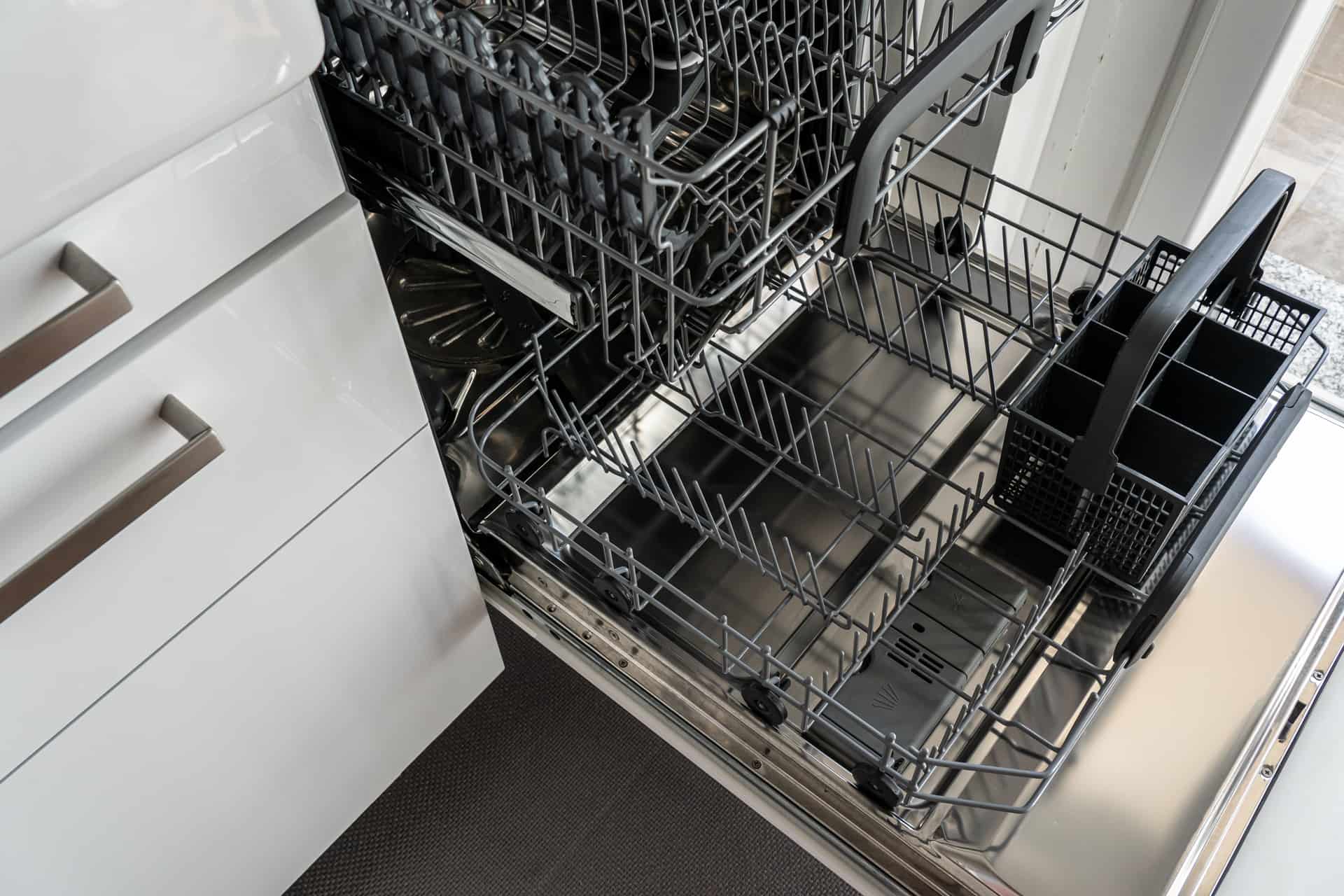
The humidifiers that are easiest to clean
Units designed around the maintenance problem: dishwasher-safe parts, wide openings and drying cycles, on published manufacturer features.
Top pick: Honeywell HCM350 Germ Free Cool Moisture · 1.0 gal/day
#ad · how this is funded · price as of October 17, 2026
Found a number that is wrong? Tell us and we will fix it and say so. How we pick shows every formula used on this page.