Sizing
Ceiling height, and the other corrections
Coverage is published in square feet. Humidification load is a function of cubic feet. That mismatch quietly under-sizes every high-ceilinged room in the country.
By Scooter M. · Published · Updated
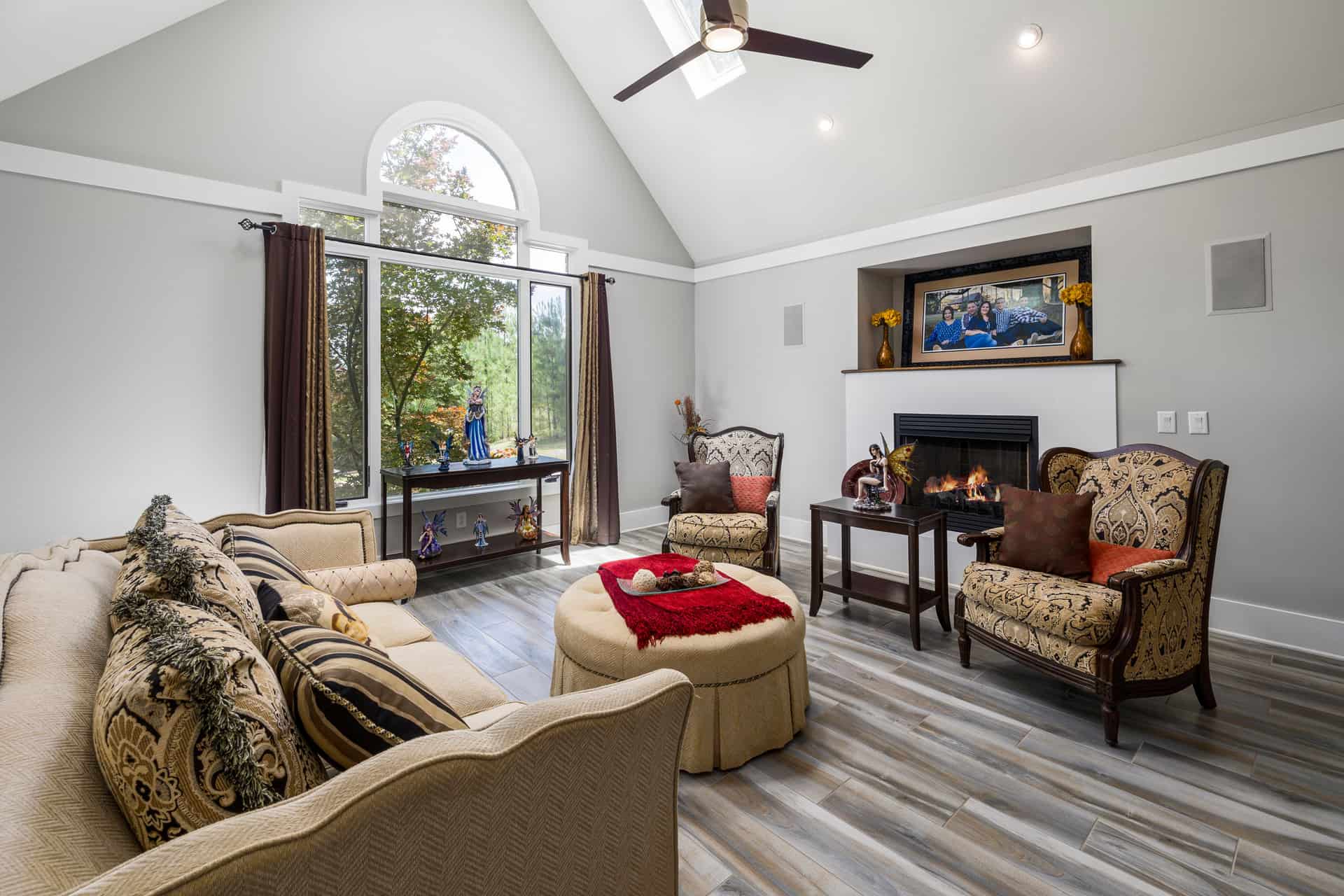
Every humidifier on sale is described by the floor area it covers. Not one of them is actually humidifying a floor. They are humidifying a volume of air, and volume is floor area multiplied by ceiling height. The industry's universal habit of quoting square feet works fine as long as everybody's ceiling is the same height, and it stops working the moment yours is not.
The multiplier
Coverage figures effectively assume the standard 8 ft ceiling. The correction is a straight ratio.
| Ceiling height | Multiplier | A 300 sq ft room needs |
|---|---|---|
| 7 ft | 0.88 | 0.89 gal/day |
| 8 ft (baseline) | 1.00 | 1.01 gal/day |
| 9 ft | 1.13 | 1.14 gal/day |
| 10 ft | 1.25 | 1.27 gal/day |
| 12 ft | 1.50 | 1.52 gal/day |
| 14 ft (vaulted) | 1.75 | 1.77 gal/day |
For a bedroom the correction is a few tenths of a gallon and rarely changes which machine you buy. For an open-plan living space with a vaulted ceiling it is the difference between a unit that holds humidity and one that runs continuously and never reaches the target. A 600 square foot room at 8 ft needs 2.03 gallons a day; the same room at 14 ft needs 3.55, and there are very few portable humidifiers that will move 3.55 gallons a day at any setting.
Vaulted and sloped ceilings
A sloped ceiling is not its highest point. Use the average: add the height at the low wall to the height at the ridge and halve it. A room that runs from 8 ft at the eaves to 16 ft at the ridge averages 12 ft, not 16, and using 16 will have you buying half again as much machine as you need.
The corrections we do not publish a number for
Three things genuinely change the requirement and we do not give you a multiplier for any of them, because we could not find a published one to derive it from and inventing one would defeat the purpose of the exercise.
How tight the building is
This is the big one. Humidity leaves a house mostly by air exchange: dry outdoor air comes in, humid indoor air goes out. A tightly built modern house might exchange its full volume a fraction of a time per hour; a drafty older one several times. That is a difference in humidification load of several hundred percent, and it dwarfs the ceiling correction.
Aprilaire's published figures, which our rate derives from, describe tightly constructed homes. So our chart is the low end. If your house has single glazing, an unsealed attic hatch, or you can feel a draft at the skirting boards on a windy day, expect to need meaningfully more than the chart says, and expect a humidifier sized exactly to the chart to run flat out and still fall short.
How cold it is outside
Cold air holds very little water. When you heat it to room temperature its relative humidity collapses, which is why houses get dry in winter and why the problem is worse in January than in October. A single annual constant averages that away. On the coldest week of the year the true requirement is above the chart figure; in a mild spell it is below.
Whether the doors are open
A closed door is close to a wall as far as moisture is concerned. Size for the space air actually circulates through. This single point is responsible for more disappointed humidifier buyers than every other factor combined: people buy a unit rated for the square footage of their whole floor, run it in a bedroom with the door shut, and wonder why the hallway hygrometer never moves.
What to do with all this
- Take your floor area from the sizing chart and apply the ceiling multiplier above.
- If the house is old or drafty, treat the result as a minimum rather than a target.
- Check the machine you are considering publishes a daily output at least that size, at a setting you would actually run. If it publishes only a tank size and a run time, compute the implied figure and assume it describes the lowest setting.
- Do not chase the number past 50 percent relative humidity. The EPA's guidance is explicit about that ceiling, and in cold weather your windows will tell you before your hygrometer does. See ideal humidity levels.
Questions people actually ask
Does ceiling height affect humidifier size?
Yes, proportionally. Humidification load follows the volume of air, so a 9 ft ceiling needs 12.5% more daily output than an 8 ft one and a 10 ft ceiling needs 25% more. Manufacturer coverage figures are quoted in square feet and effectively assume a standard ceiling, so the correction is one you have to make yourself.
How do I size a humidifier for a vaulted ceiling?
Use the average height, not the peak. Add the height at the lowest wall to the height at the ridge and halve it. A room going from 8 ft to 16 ft averages 12 ft, so the multiplier is 1.5, not 2.0.
Does an old drafty house need a bigger humidifier?
Yes, and by more than the ceiling correction. Humidity leaves a house mostly through air exchange, so a leaky building loses moisture much faster. Our rate derives from figures published for tightly constructed homes, and we do not publish a multiplier for looser construction because we could not find one to derive from. Treat the chart as a floor.
Should I size for the whole floor or just one room?
Size for the space air can actually circulate through. A closed door behaves like a wall as far as moisture transport is concerned, so a unit in a shut bedroom is serving that bedroom regardless of the square footage on the floor plan.
Sources
Every figure on this page came from one of the documents below, read on the date shown. We do not cite other review sites, forum posts or video reviews as sources of fact.
- Aprilaire Model 700 - manufacturer spec page (retrieved September 1, 2026)
- AHRI Guideline F - Selection, Installation and Servicing of Residential Humidifiers (the residential sizing standard; ahrinet.org returned HTTP 403 to this build, so we cite it as the governing document without paraphrasing text we did not read)
- ASHRAE Handbook - HVAC Systems and Equipment, Chapter 22: Humidifiers (the engineering reference for humidification load and window-condensation limits)
- US Environmental Protection Agency - Use and Care of Home Humidifiers (relative humidity ceiling, three-day cleaning interval, low-mineral water, microorganism warning)
Read next
Humidifier sizing chart by square footage
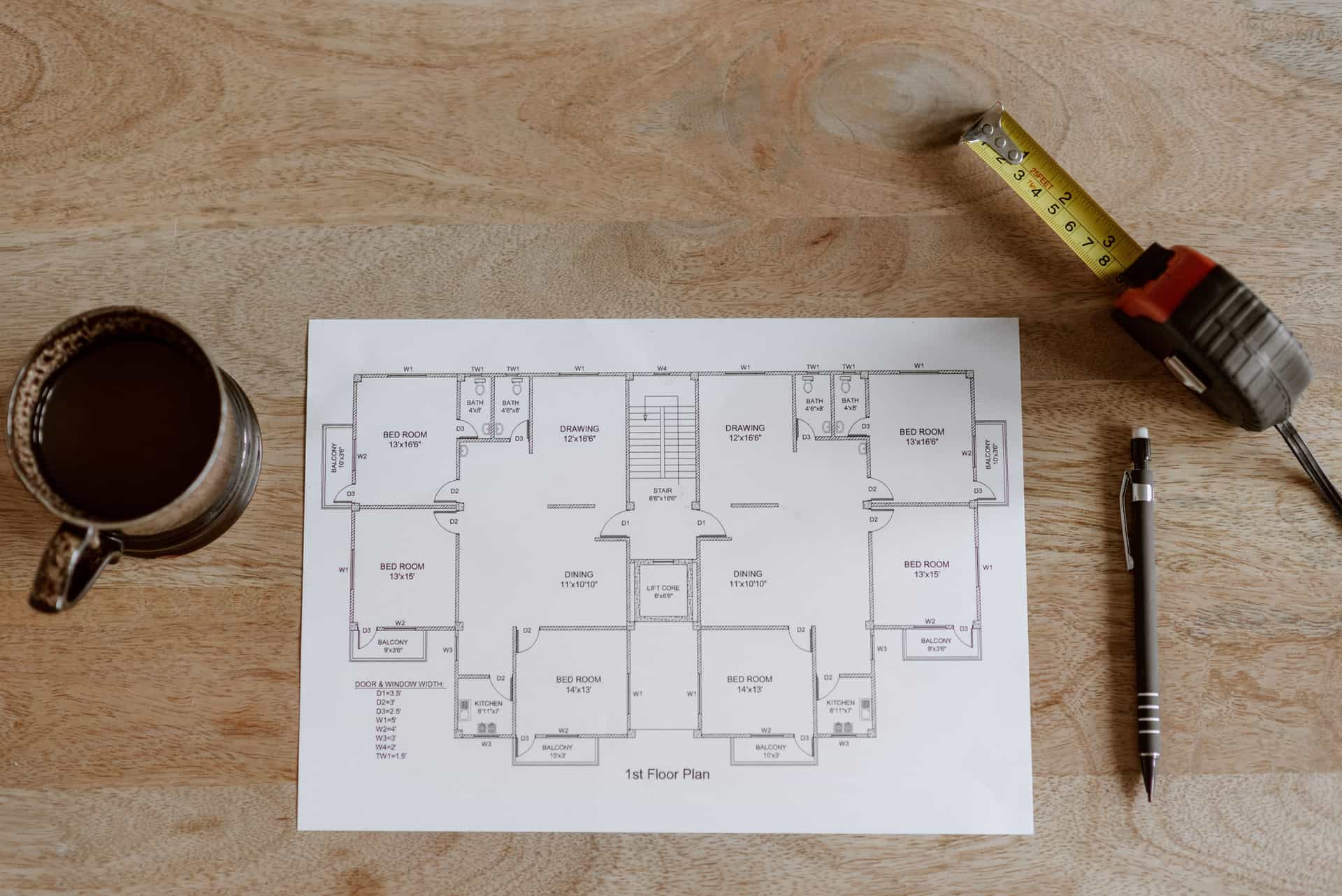
The sizing chart in gallons per day, by floor area and ceiling height, with a companion table of what each figure means in practice.
Gallons per day: the derivation
The full derivation of the sizing rate, from three published manufacturer capacity-and-coverage pairs, including a plain statement of its limits.

Ideal indoor humidity in winter
The 30-50% relative humidity band, the EPA's stated ceiling, and the window-condensation limit that overrides it in cold weather.
Found a number that is wrong? Tell us and we will fix it and say so. How we pick shows every formula used on this page.