Picks
How to choose a humidifier
Measure the room, convert it to gallons per day, then buy the cheapest machine whose published output reaches that figure and whose tank you will genuinely clean. Everything else is a tiebreak.
By Scooter M. · Published · Updated
We earn a commission if you buy through the links on this page, at no extra cost to you. It does not change what we recommend or the order the picks appear in. Full disclosure. Prices checked October 29, 2026.
| # | Product | Best for | Gal/day | Price |
|---|---|---|---|---|
| 1 | 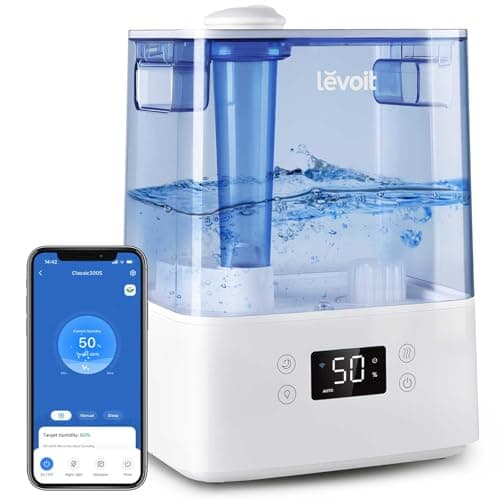 Levoit Classic 300STop pickA 6-liter tank, a genuinely wide top-fill opening and no filter to buy. Its own numbers describe a 190 sq ft machine, not the 505 sq ft on the box. | A bedroom you refill twice a week | 0.63implied · 187 sq ft | |
| 2 | 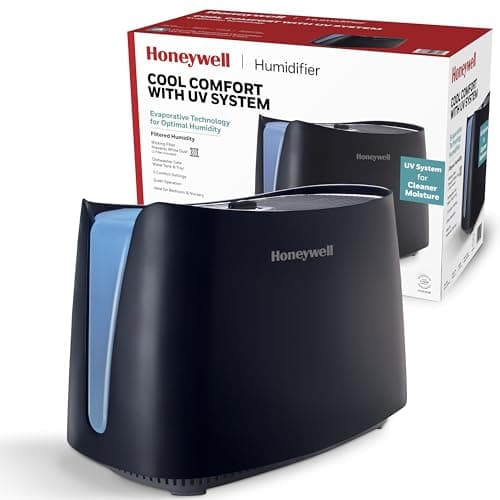 Honeywell HCM350 Germ Free Cool MoistureA break-resistant, dishwasher-safe tank and a wide opening. It is the only unit here designed so the hardest part of ownership is easy. | Cleaning, without qualification | 1.0implied · 296 sq ft | |
| 3 | 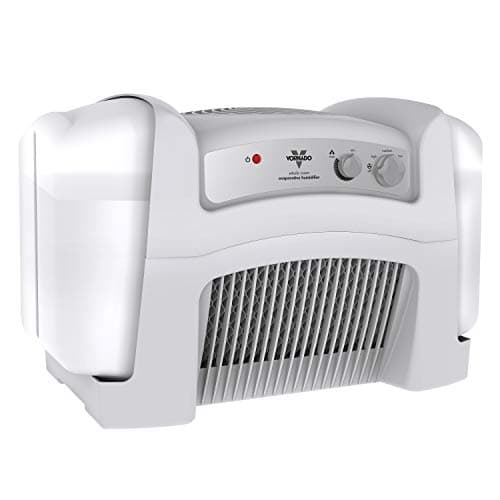 Vornado Evap40Vornado publishes an output figure and a coverage figure, and the two agree. Four gallons a day covers about 1,180 sq ft at our derived rate against a 1,000 sq ft claim. | The only coverage claim here the arithmetic supports | 4.0published · 1,184 sq ft | |
| 4 | 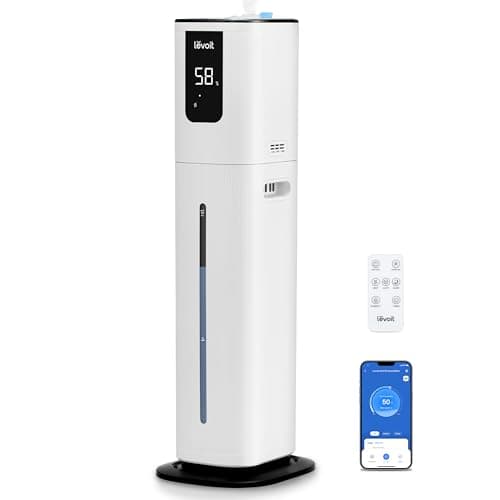 Levoit OasisMist 1000STen liters and a published 100-hour run time, which is four nights of not thinking about it. The coverage claim is still ahead of the arithmetic. | Long stretches between refills | 0.62implied · 185 sq ft | |
| 5 | 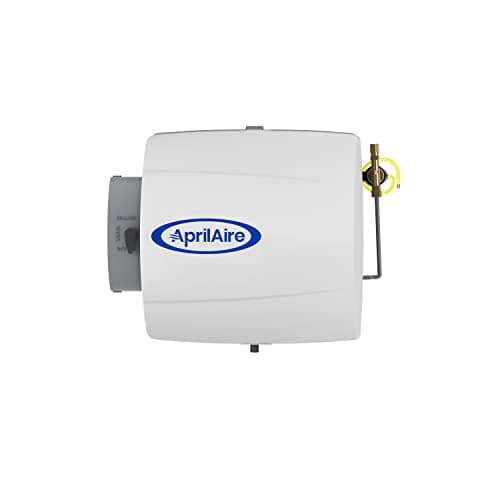 Aprilaire Model 500Twelve gallons a day against a stated 3,600 sq ft, on the same published basis as the 700. It is the bypass design, which means it borrows the furnace blower instead of bringing its own fan. | A ducted house, without the fan-powered price | 12.0published · 3,552 sq ft |
Choose a humidifier in this order: measure the room's relative humidity, convert its floor area to a gallons-per-day figure, check that figure against the maker's own published output rather than the coverage claim on the box, and then buy the cheapest machine that clears it with a tank you will actually clean. For most buyers that process ends at a six-liter tabletop unit for a bedroom - the Levoit Classic 300S in our set - and at the Vornado Evap40 for a large room, because it is the only portable we cover whose maker publishes a daily output.
The order matters more than the shortlist. Almost every disappointed humidifier buyer we can account for made the same mistake, which is to start at step four: pick a machine, trust the square-footage number printed on it, and discover in January that the room has not moved. The square-footage number is the least reliable figure in this category, and the five steps below exist to stop it being the one you buy on.
We earn a commission if you buy through the links on this page, at no extra cost to you. It does not change what we recommend or the order the picks appear in. Full disclosure. Prices checked October 29, 2026.
| # | Product | Best for | Gal/day | Price |
|---|---|---|---|---|
| 1 | Levoit Classic 300STop pickA 6-liter tank, a genuinely wide top-fill opening and no filter to buy. Its own numbers describe a 190 sq ft machine, not the 505 sq ft on the box. | A bedroom you refill twice a week | 0.63implied · 187 sq ft | |
| 2 | Honeywell HCM350 Germ Free Cool MoistureA break-resistant, dishwasher-safe tank and a wide opening. It is the only unit here designed so the hardest part of ownership is easy. | Cleaning, without qualification | 1.0implied · 296 sq ft | |
| 3 | Vornado Evap40Vornado publishes an output figure and a coverage figure, and the two agree. Four gallons a day covers about 1,180 sq ft at our derived rate against a 1,000 sq ft claim. | The only coverage claim here the arithmetic supports | 4.0published · 1,184 sq ft | |
| 4 | Levoit OasisMist 1000STen liters and a published 100-hour run time, which is four nights of not thinking about it. The coverage claim is still ahead of the arithmetic. | Long stretches between refills | 0.62implied · 185 sq ft | |
| 5 | Aprilaire Model 500Twelve gallons a day against a stated 3,600 sq ft, on the same published basis as the 700. It is the bypass design, which means it borrows the furnace blower instead of bringing its own fan. | A ducted house, without the fan-powered price | 12.0published · 3,552 sq ft |
The method, in order
- Measure. A hygrometer, in the room you use, for a week. Under 30 percent relative humidity you have a problem to fix; inside the EPA's 30 to 50 percent band you do not.
- Convert the space to gallons per day. Floor area and ceiling height, not the room label on the box.
- Check the machine's published output against your figure. Divide tank by run time where no output is published, and compare with the coverage claim.
- Choose the type, which in practice means choosing between your water hardness and a filter bill.
- Buy the one feature worth paying for, which is a humidistat, and ignore the rest.
Steps one to three are arithmetic and can be done before you look at a single product. Steps four and five are about you - your tap water, and whether a daily chore will survive February. Nothing in the list is about brand.
Step 1: measure, because the answer may be no machine
A hygrometer costs a fraction of a humidifier and it is the only instrument that answers the prior question. The EPA's band for indoor relative humidity is 30 to 50 percent: below it you have something to fix, inside it a humidifier adds a cleaning chore and a running cost and solves nothing, and above it you are actively encouraging mold and dust mites.
Put the meter where you spend time, at roughly seated height, not on the humidifier and not in its plume, and read it for a week in heating weather. The symptoms people use instead - static shocks, dry lips, a crackling cat - fire at different readings in different houses, because they depend on your floors and your clothes as much as on the air. If the meter says 42 percent, stop here. That is a good outcome and it has cost you the price of a meter. Are humidifiers worth it? is the honest version of that conversation, including the three cases where the answer is no.
Step 2: turn the room into gallons per day
Square footage is a proxy for the thing that matters, which is the volume of air you are conditioning and how fast it is being replaced. The unit that actually describes a humidifier's capability is gallons of water per day, and almost nothing in the category is sold in it.
Two corrections that change the answer more than people expect. Count only the volume air can genuinely circulate through: a bedroom with the door shut is one room, not a share of the floor plan, and sizing for the floor plan when two doors are usually closed buys a machine you do not need. And a leaky older building needs more output than a tight new one of the same area, which is the one adjustment we cannot compute for you and say so rather than inventing a multiplier.
Step 3: check the claim against the maker's own numbers
This is the step that does the work, and it takes about ten seconds per machine. Where a maker publishes a daily output, use it. Where it publishes only a tank capacity and a run time - which is the usual case - you can derive the output yourself, because a tank that lasts a stated number of hours is telling you the rate.
Do that once and the category stops being confusing. Across the portables we cover, coverage claims run between 2.3 and 5.3 times the figure the machine's own tank and run time imply, and the two units whose makers publish an actual output rate are the two whose claims survive the check. This is not a scandal and it is not brand-specific - the long run time is quoted on the quietest setting and the coverage on the loudest, and nothing joins them up. The full table is on why your humidifier is not raising the humidity, which is where people land when they skip this step.
Step 4: choose the type, which means choosing your trade
There are four designs in this category and they differ on two axes that actually affect you: what they do with the minerals in your water, and what they cost to keep running. Everything else is secondary.
| Type | Minerals in your water | Consumable | Running cost | Noise |
|---|---|---|---|---|
| Ultrasonic | Atomized into the room as white dust, in proportion to hardness | None - no wick | Lowest: 17 to 30 W | Quietest, and the only class that publishes figures consistently |
| Evaporative | Captured in the wick, which is why the wick wears out | A wick, on an interval most makers do not publish | Low: a fan only | Audible - it has a fan by design |
| Warm mist | Left behind in the boiling chamber as scale | None on some units, a sponge on others | Highest by far: up to 280 W | Quiet, but it contains hot water |
| Whole house, ducted | Flushed down the drain - it drains to waste | A Water Panel, on a published annual schedule | Low, but it borrows the furnace blower | The blower you already have |
The practical decision rule is short. Hard water and no intention of buying distilled: evaporative, because the minerals stay in a wick you were replacing anyway. Soft water and a dislike of recurring costs: ultrasonic, which has no consumable at all. A cold bedroom where warm mist is genuinely pleasant: accept about ten times the electricity, and keep it away from small children. A figure above roughly four gallons a day: ducted, because no portable we cover publishes enough. Evaporative vs ultrasonic is the full comparison and distilled, filtered or tap? is the water question costed out.
Step 5: the one feature worth paying for
A humidistat. Not an app - a target the machine holds and stops at. It is the difference between a humidifier that runs until the tank is empty and one that keeps a room inside the band without supervision, and it is the only premium in this category that reliably buys a better outcome rather than a nicer specification sheet.
The confusion is worth naming because it is sold deliberately. Remote on-off from your phone is a convenience; a humidity target the machine maintains is a safety mechanism, and the two are often described in the same paragraph at similar prices. Best smart humidifiers is built entirely on that distinction, including the sensor problem nobody advertises - a sensor inside the machine's own housing sits in the most humid air in the room.
What to ignore on the box
- A coverage figure with no output behind it. The least reliable number in the category. See step three.
- Tank size presented as capacity. A ten-liter tower and a six-liter tabletop unit in our set move almost exactly the same water per day. The bigger tank buys refill interval, which is a real thing to buy and is not output.
- A germ or antimicrobial claim as a substitute for cleaning. Read the scope of the wording. The one UV claim in our set is explicitly about the water in the tank, not the air in the room - a useful feature, correctly limited, and not a cleaning schedule.
- Comparative noise claims. "Quieter than comparable humidifiers" is not a specification. A decibel figure at a stated setting is.
- Essential-oil compatibility, unless that is genuinely why you are buying. Four of the fifteen units we cover publish an aroma pad; one states it is not designed for oils at all. It is the least important thing a humidifier does. Can you put essential oils in a humidifier? has the per-model detail.
The four situations that decide most purchases
| Your situation | What to buy | Why |
|---|---|---|
| One bedroom, soft water, want it held at a target | A six-liter ultrasonic unit with a humidistat | Well under a gallon a day is all a bedroom needs, and no wick means no recurring bill |
| You have failed to maintain a humidifier before | The one with a dishwasher-safe tank and a wide opening | Sixty cleans a season is the real cost. The machine you will still be cleaning beats the bigger one you will not |
| A large room, and you want a number you can hold the maker to | An evaporative unit that publishes gallons per day | It is the only class in our set where a coverage claim survives its own arithmetic |
| Refilling is the chore you will skip | The largest reservoir with a published run time | Ten to twelve nights per fill is genuine - as long as the refill interval does not become the cleaning interval |
| Your figure is above about 4 gallons a day | A ducted whole-house unit, if you have ducts | No portable we cover publishes enough output, and four portables is four tanks to empty daily |
How we judged the five above
- Published output, or a tank and a run time we can convert into one. A machine we cannot size does not make a shortlist on this site.
- The coverage claim checked against that figure, with the ratio printed rather than buried.
- A stated consumable position - no filter at all, or an interval the maker publishes.
- Cleanability, weighted heavily, because the EPA's every-third-day instruction is the cost that arrives as a chore rather than a bill.
- Currently purchasable, verified on the day of writing, with the price taken live rather than remembered.
What we did not use: our own impressions, because we have never handled any of these machines and say so on every page; star ratings, which we do not publish; and any figure a manufacturer has not printed. How we pick has every formula on this page.
Who each one is for
- Levoit Classic 300S - best for most buyers. A bedroom machine with a humidity target it holds, 26 W, 30 dB or less, a top-fill opening wide enough to clean properly, and no wick to buy. Size it at the 187 sq ft its own figures imply, not the 505 on the box, and run low-mineral water if your supply is hard.
- Honeywell HCM350 - best if cleaning is the step you will skip. The dishwasher-friendly tank with a wide opening is the feature that makes sixty cleans a season survivable, and it is the unit we recommend most often for that reason alone. One gallon a day, about 296 sq ft. Honeywell publishes neither a wattage nor a decibel figure for it.
- Vornado Evap40 - best when you want a published output. Up to 4 gallons a day in 24 hours, published, against a 1,000 sq ft claim - the one coverage claim in the portable class that its own arithmetic supports with margin. Two wicks to replace on an interval Vornado does not publish, and it is a fan you will hear.
- Levoit OasisMist 1000S - best if refilling is the chore you will skip. Up to 100 hours on low, which is about twelve eight-hour nights, and under 28 dB published - the quietest figure in our set. Its 600 sq ft top-end claim is roughly three times what its figures imply, and a long interval tempts you to leave water standing.
- Aprilaire 500 - best when your figure is bigger than any portable. Twelve gallons a day published against up to 3,600 sq ft, no reservoir to empty, and a Water Panel on an annual schedule instead of a wick every 30 to 60 days. It needs ducted forced-air heating, a water supply, a drain and an installer, and it humidifies only while the furnace blower runs.
The mistakes this method is designed to prevent
- Buying before measuring. Plenty of houses sit inside the band all winter. A humidifier in one of them is a chore with a running cost.
- Sizing from the box. The commonest and most expensive error, and the reason the arithmetic in step three exists.
- Buying capacity you will not maintain. A bigger tank in a machine that is awkward to clean is a bigger volume of standing water, and standing water is behind every hygiene problem in this category.
- Buying two small units for two rooms. Output only adds up inside a space air can circulate through freely. How many humidifiers do you need covers the doorway question.
- Paying for an app instead of a humidistat. One is a convenience; the other is the mechanism that keeps you inside the band.
The picks, in full
Top pick · A bedroom you refill twice a week
Levoit Classic 300S
A 6-liter tank, a genuinely wide top-fill opening and no filter to buy. Its own numbers describe a 190 sq ft machine, not the 505 sq ft on the box.
The interesting number is not 6 liters, it is 60 hours. A 1.58-gallon tank that lasts 60 hours on low is moving 0.63 gallons of water a day, and 0.63 gallons a day is what covers about 187 square feet at the rate we derive from Aprilaire's own published sizing. That is a bedroom. It is not the 505 square feet on the specification table.
Both figures are true and they describe different settings. Levoit publishes the endurance of the quietest setting and the ceiling of the loudest, and never the output that connects them, so a buyer has no way to check the coverage claim. That is not a Levoit problem, it is a category problem, and it is the reason every roundup here shows the implied figure beside the claimed one.
What you are actually buying is the absence of a filter. No wick means no 30-to-60-day replacement cycle and no annual filter bill, and it also means every mineral in your tap water leaves the machine as white dust or stays behind as scale. Run low-mineral water or accept the descaling, which the EPA's own humidifier guidance is blunt about.
What works
- No wick or replacement filter, so the running cost after purchase is water and 26 watts
- 26 W is genuinely low: at the June 2026 US average tariff a full heating season of overnight running is a few dollars
- The top-fill opening is wide enough to get a hand and a brush inside, which is most of what makes a humidifier easy to keep clean
What does not
- The 505 sq ft coverage claim cannot be reconciled with the published tank and run time
- Ultrasonic, so hard water becomes airborne white dust unless you use low-mineral water
- Levoit publishes no gallons-per-day figure at any setting
Skip this ifyour water is hard and you will not commit to distilled. An ultrasonic unit atomizes whatever is dissolved in the tank, and this one has no wick to catch it.
The arithmetic
- Implied output (low mist)
- 0.63 gal/day
- Covers, at 296 sq ft per gal/day
- 187 sq ft
- Maker’s coverage claim
- 505 sq ft
- Output that claim would need
- 1.7 gal/day
Output derived as tank capacity divided by published run time, times 24. Coverage rate derived from Aprilaire’s own published capacity-and-coverage pairs.
Published specification
- Tank
- 1.58 gal / 6 LSource
- Output/day
- not publishedLevoit publishes tank size and low-setting run time, not gallons per day
- Coverage
- 215-505 sq ft / 20-47 m2Levoit's own figure. Its published tank and run time imply roughly 187 sq ft at our derived rate.Source
- Run time
- Up to 60 hOn the low mist settingSource
- Power
- 26 WAC 120 V, 60 HzSource
- Noise
- 30 dB or lessSource
- Filter
- None requiredA water filter sponge is included and descaling pads are sold separately, but there is no wick to replaceSource
- Cleaning
- Top-fill opening, brush includedLevoit's own wording: refill without flipping the tank overSource
#ad · how this is funded · price as of October 29, 2026
Pick 2 · Cleaning, without qualification
Honeywell HCM350 Germ Free Cool Moisture
A break-resistant, dishwasher-safe tank and a wide opening. It is the only unit here designed so the hardest part of ownership is easy.
One gallon over 24 hours is one gallon a day, which at our derived rate is about 296 square feet. Honeywell says medium room. Those two statements agree, which is a low bar that most of this category fails to clear.
The reason to buy it is the tank. Dishwasher-safe and break-resistant, with an opening wide enough to actually reach inside, against an EPA instruction to clean every third day. A humidifier you will genuinely clean twice a week beats a larger one you will clean twice a winter, and this is the only unit here whose maker treats that as a design requirement rather than a footnote.
There is one inconsistency worth naming. The specification table on Honeywell's own page says a 1 gallon tank; the feature copy a few hundred pixels above it says 1.1 gallons. It is a small discrepancy and it is on the maker's own page, which is a fair illustration of why we quote the table and say which one we took.
What works
- Dishwasher-safe, break-resistant tank with a wide opening, which is the whole ballgame for maintenance
- The wicking filter captures minerals, so no white dust regardless of your water
- The published tank and run time are consistent with the room size claimed
What does not
- HAC504 wicks are a recurring cost with no interval published on the product page
- One gallon a day is a bedroom, not a floor of a house
- The maker's own page states two different tank capacities
Skip this ifyou need to humidify an open-plan living space. This is a one-room machine and its own figures say so.
The arithmetic
- Implied output (continuous)
- 1.0 gal/day
- Covers, at 296 sq ft per gal/day
- 296 sq ft
Output derived as tank capacity divided by published run time, times 24. Coverage rate derived from Aprilaire’s own published capacity-and-coverage pairs.
Published specification
- Tank
- 1 galHoneywell's own specification table says 1 gallon; the marketing copy on the same page says 1.1. We quote the table.Source
- Output/day
- not publishedTank and run time only
- Coverage
- Medium roomHoneywell publishes a size class rather than a number. Its published tank and run time imply about 1 gallon per day, or roughly 296 sq ft at our derived rate.Source
- Run time
- Up to 24 hSource
- Power
- not published
- Filter
- HAC504 Filter AOne included. Honeywell states its own filters should be used.Source
- Cleaning
- Dishwasher safe, break resistant tank, wide openingHoneywell's own wording. It also states the wicking filter removes impurities from the water, reducing white dust.Source
#ad · how this is funded · price as of October 29, 2026
Pick 3 · The only coverage claim here the arithmetic supports
Vornado Evap40
Vornado publishes an output figure and a coverage figure, and the two agree. Four gallons a day covers about 1,180 sq ft at our derived rate against a 1,000 sq ft claim.
Run the check that fails everywhere else on this page and it passes here. Four gallons a day at 296 square feet per gallon per day is about 1,180 square feet of coverage, against a claim of 1,000. Vornado left itself margin instead of taking it.
It passes because it is evaporative. A wick and a fan can only put as much water into the air as the air will accept, which is why an evaporative unit self-limits near 50% relative humidity and why it cannot produce white dust: the minerals stay in the wick. The EPA's guidance to use low-mineral water exists mainly because ultrasonic and impeller units disperse what is dissolved in the tank, and this design does not.
The cost of that is the wick. Two of them, on a schedule Vornado does not publish, which is the recurring bill an ultrasonic unit does not have. Whether that trade is worth it is arithmetic, and it is worked through in full on our filter-cost page.
What works
- Publishes an output figure, and the coverage claim survives being checked against it
- Evaporative, so it cannot produce white dust and self-limits near a safe humidity
- Five-year warranty, the longest published here
What does not
- Two wicks to replace on an interval Vornado does not publish
- A fan moving air across a wet wick is audible, and no dB figure is published
- No rated wattage published
Skip this ifyou want silence. Every evaporative unit is a fan, and Vornado publishes no noise figure for this one.
The arithmetic
- Published output (continuous on high)
- 4.0 gal/day
- Covers, at 296 sq ft per gal/day
- 1,184 sq ft
- Maker’s coverage claim
- 1,000 sq ft
- Output that claim would need
- 3.4 gal/day
Output as the manufacturer publishes it. Coverage rate derived from Aprilaire’s own published capacity-and-coverage pairs.
Published specification
- Tank
- 4 galSource
- Output/day
- Up to 4 galVornado's wording: up to a 4 gallon water output when operated continuously on highSource
- Coverage
- Up to 1,000 sq ftSupported by its own published output. This is the only unit in the set where that is true.Source
- Run time
- not publishedVornado publishes output instead, which is more useful
- Power
- not published
- Filter
- Two humidifying wicksTwo are supplied, one front and one rear. No replacement interval is published.Source
- Cleaning
- Vornado states easy to clean and operateSource
#ad · how this is funded · price as of October 29, 2026
Pick 4 · Long stretches between refills
Levoit OasisMist 1000S
Ten liters and a published 100-hour run time, which is four nights of not thinking about it. The coverage claim is still ahead of the arithmetic.
A 10-liter reservoir running 100 hours is 0.62 gallons a day, which is almost exactly the same daily output as the 6-liter Classic 300S. The tower holds more water; it does not move more water. What you are buying is refill interval, and that is a real thing to buy.
For a bedroom, four nights between refills changes the ownership experience more than any spec on the box. It also means four nights of water standing in a tank, which is precisely the condition the EPA warns about. If you take the long refill interval you have to take the cleaning discipline with it.
27.5 watts for a 10-liter unit is efficient, and the sub-28 dB figure is the quietest published number in this set. If a humidifier has ever woken you up, that number is the one to look at.
What works
- 100 hours on low is the longest published run time here by a wide margin
- Under 28 dB published, the quietest figure in this group
- No wick, no filter subscription
What does not
- The 600 sq ft top-end claim is roughly three times what the published tank and run time imply
- A big reservoir left standing is a bacterial risk if the refill interval becomes the cleaning interval
- Ultrasonic: same white-dust exposure as every other unit in this class
Skip this ifyou want a machine you can ignore. The long refill interval tempts you to leave water standing, and standing water is exactly what the EPA tells you to empty and dry every day.
The arithmetic
- Implied output (low mist)
- 0.62 gal/day
- Covers, at 296 sq ft per gal/day
- 185 sq ft
- Maker’s coverage claim
- 600 sq ft
- Output that claim would need
- 2.0 gal/day
Output derived as tank capacity divided by published run time, times 24. Coverage rate derived from Aprilaire’s own published capacity-and-coverage pairs.
Published specification
- Tank
- 2.6 gal / 10 LSource
- Output/day
- not publishedTank and low-setting run time only
- Coverage
- 300-600 sq ft / 27-55 m2Its published tank and run time imply roughly 185 sq ft at our derived rateSource
- Run time
- Up to 100 hOn the low mist settingSource
- Power
- 27.5 WSource
- Noise
- Under 28 dBSource
- Filter
- None requiredSource
- Cleaning
- Tower format, aroma and descaling pads sold separatelySource
$149.99 · 10% off
#ad · how this is funded · price as of October 29, 2026
Pick 5 · A ducted house, without the fan-powered price
Aprilaire Model 500
Twelve gallons a day against a stated 3,600 sq ft, on the same published basis as the 700. It is the bypass design, which means it borrows the furnace blower instead of bringing its own fan.
This is the cheaper half of the whole-house decision and, for a lot of houses, the correct half. Aprilaire calls it a small bypass evaporative humidifier, and the published pair - 12 gallons a day to 3,600 square feet - works out to 300 square feet per gallon per day, which is within two percent of the rate we derive from its whole range.
The bypass design is the reason it costs less. Instead of carrying its own fan it takes a duct between the supply and return plenums and lets the furnace blower push air across the water panel. Fewer parts, less to install, less to fail - and one real consequence, which is that it moves air only when the furnace blower is moving air.
At 12 gallons a day it covers most single-family houses. The arithmetic for what your house actually needs is on our sizing chart; if it lands above about 12 gallons a day, or your ductwork has nowhere sensible for a bypass duct to go, that is the point at which the fan-powered 700 earns its extra cost.
What works
- Publishes capacity and coverage together, which almost nothing else in the category does
- No reservoir, so none of the standing-water maintenance that dominates portable humidifiers
- Water Panel on an annual schedule rather than a wick every 30 to 60 days
- Materially cheaper than the fan-powered model, installed or not
What does not
- Humidifies only while the furnace blower runs, because it has no fan of its own
- Needs somewhere to route a bypass duct between supply and return, which not every install has
- Requires ducted forced-air heating, a water supply, a drain and realistically an installer
- Wastes water: the drain that keeps it clean also sends water down it
Skip this ifyour house needs more than about 12 gallons a day, or your ductwork has no practical route for a bypass duct. Both point at the fan-powered 700 instead.
The arithmetic
- Published output (continuous)
- 12.0 gal/day
- Covers, at 296 sq ft per gal/day
- 3,552 sq ft
- Maker’s coverage claim
- 3,600 sq ft
- Output that claim would need
- 12.2 gal/day
Output as the manufacturer publishes it. Coverage rate derived from Aprilaire’s own published capacity-and-coverage pairs.
Published specification
- Tank
- not publishedThere is no tank. It is plumbed to the water supply and drains to waste.
- Output/day
- 12 gal/daySource
- Coverage
- Up to 3,600 sq ftAprilaire states this for tightly constructed homes. It is one of the three published capacity-and-coverage pairs our 296 sq ft per gal/day rate is derived from.Source
- Power
- 24 VAC via the supplied transformerAprilaire ships a Model 60 digital automatic humidistat, an outdoor temperature sensor and a saddle valve in the box.Source
- Filter
- Model 10 Water PanelAprilaire's maintenance page puts Models 300, 500, 600, 700 and 720 on an annual schedule, plus an annual distribution-tray inspection.Source
- Cleaning
- Drains to waste, so no water stands inside the unitThe same design property as the 700: nothing sits still long enough to grow a film.Source
$289.99 · 7% off
#ad · how this is funded · price as of October 29, 2026
Questions people actually ask
How do I choose a humidifier?
Measure the room's relative humidity first - under 30 percent means you have something to fix. Convert the floor area to gallons per day by dividing square feet by 296. Check that figure against the maker's published output, or against tank divided by run time where no output is published, rather than against the coverage claim. Then choose the type that suits your water, and pay extra only for a humidistat.
What should I look for in a humidifier?
Four things, in order: a published output figure or a tank and run time you can convert into one; a coverage claim that survives that arithmetic; a stated consumable position, meaning either no filter or an interval the maker publishes; and a tank you can get a hand into, because the EPA's instruction is to clean every water-contact surface every third day. A humidistat is the one feature worth a premium.
What size humidifier do I need?
Divide the square footage air can actually circulate through by 296 to get gallons per day at an eight-foot ceiling. A 150 square foot bedroom needs about 0.51 gallons a day, a 400 square foot living room about 1.35, and a 1,200 square foot floor about 4.05 - which is the point at which no portable we cover publishes enough output.
Is a bigger humidifier always better?
No, and bigger usually means a bigger tank rather than more output. Two units in our set with ten-liter and six-liter reservoirs move almost the same water per day, because the larger one simply runs longer. A machine above your figure costs more, holds more standing water and is no more effective; buy the cheapest one whose published output clears your number.
Which type of humidifier is best?
It depends on your water. Ultrasonic has no consumable and is the quietest, but it atomizes your tap water's minerals into the room as white dust. Evaporative captures those minerals in a wick you then have to replace. Warm mist leaves them as scale in the boiling chamber and costs roughly ten times as much to run. Ducted drains them away entirely and needs an installer.
Do I need a humidifier with a humidistat?
If it will run unsupervised - overnight, or in months when you are not checking a meter - then yes, and it is the only feature in this category we think is worth paying extra for. A humidistat holds a target and stops; an app that switches the machine on from your phone does not. The two are frequently sold as the same thing.
How much should a good humidifier cost?
Most buyers are correctly served in the $50 to $150 band, which covers a four-to-six-liter tabletop unit or a one-gallon evaporative one. Spending more buys output, a humidistat or cleanability, all of which change the result. It does not need to buy a larger coverage claim. How much does a humidifier cost has the brackets and what changes between them.
Sources
Every figure on this page came from one of the documents below, read on the date shown. We do not cite other review sites, forum posts or video reviews as sources of fact.
- US Environmental Protection Agency - Use and Care of Home Humidifiers (relative humidity ceiling, three-day cleaning interval, low-mineral water, microorganism warning)
- AHRI Guideline F - Selection, Installation and Servicing of Residential Humidifiers (the residential sizing standard; ahrinet.org returned HTTP 403 to this build, so we cite it as the governing document without paraphrasing text we did not read)
- US Energy Information Administration - Electric Power Monthly, Table 5.3: average residential price 18.34 cents per kilowatthour, United States, June 2026
- Levoit Classic 300S - manufacturer spec page (retrieved September 1, 2026)
- Honeywell HCM350 - manufacturer spec page (retrieved September 1, 2026)
- Honeywell Store - Germ Free Cool Mist Humidifier HCM-350B ("kills up to 99.9% of certain bacteria, mold, fungus and virus in the water"; "runs for 24 hours per filling"; "Best used for Medium Size Rooms such as Bedrooms and Living Rooms"; "up to 25% quieter than comparable humidifiers" with no decibel figure; "dishwasher friendly water tank"; HAC-504AW filter; no UV bulb life, wattage or tank capacity stated; retrieved September 27, 2026)
- Vornado Evap40 - manufacturer spec page (retrieved September 1, 2026)
- Vornado Evap40 - manufacturer product page, re-read October 23, 2026. It says nothing about essential oils or any other additive, either permitting or prohibiting them. Published figures unchanged: "Up to 4 Gallon Output in 24 Hours", "Extra Large 4 Gallon Capacity", "Whole Room Humidification - Up to 1,000 Sq. Ft.", "2 Filters Included", and a 5-Year Satisfaction Guarantee.
- Levoit OasisMist 1000S - manufacturer spec page (retrieved September 1, 2026)
- Levoit OasisMist 1000S - manufacturer product page, re-read October 23, 2026. The page states TWO different coverage figures: "Effective Range: 300-600 ft2 / 27-55 m2" in the specification table, and separately that it will "Quickly humidify a 215-430 ft2 room". Also 3 aroma pads supplied with 1 pre-installed, two cleaning brushes, no replacement filter listed for the model, and descaling pads sold separately.
- Aprilaire Model 500 - manufacturer spec page (retrieved September 1, 2026)
- Aprilaire Model 500 - manufacturer product page, re-read October 23, 2026 ("For tightly constructed homes up to 3,600 square feet, with a capacity of 12 gallons per day", footnoted to "AHRI Guideline F for Average Construction homes"; "Our duct-mounted small bypass evaporative humidifier"; the onboard control "Automatically turns on the HVAC fan to measure the relative humidity inside the ductwork"; in the box the humidifier, Model 60 Digital Automatic Humidistat, Model 10 Water Panel, 24VAC transformer, outdoor temperature sensor, saddle valve and installation instructions; 13H x 10.25W x 15.625D inches; sold through the "nationwide network of AprilAire Healthy Air Professionals"; no warranty term and no water-consumption or drain figure stated)
- Honeywell Store - HAC-504 Replacement Wicking Filter A, 3 pack ("Depending on water quality and usage, wicking filters should be replaced every 30-60 days", and change it if it is hard, crusty or brittle, develops an odor, or moisture output has decreased; retrieved September 27, 2026)
Read next
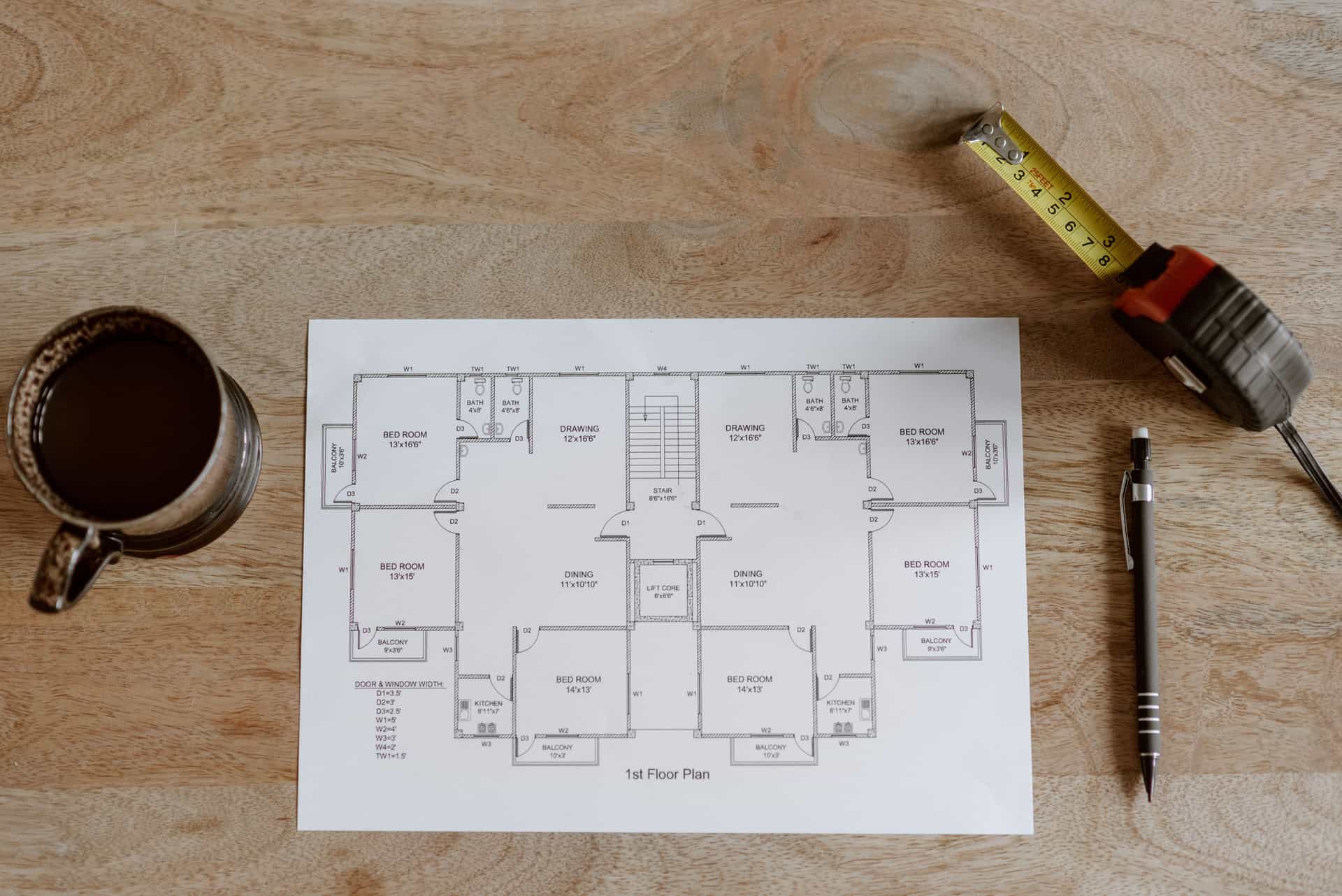
Humidifier sizing chart by square footage
The sizing chart in gallons per day, by floor area and ceiling height, with a companion table of what each figure means in practice.
What it costs
How much does a humidifier cost?
What a humidifier costs to buy, by bracket, with what changes between the brackets - and why the purchase price is the smallest of the four numbers you will pay.
Top pick: Levoit Classic 160 · 0.63 gal/day
$39.99 · 26% off
#ad · how this is funded · price as of October 29, 2026
The type decision
Evaporative vs ultrasonic
The evaporative-versus-ultrasonic decision, settled on white dust and filter cost rather than on mist visibility.
Top pick: Vornado Evap40 · 4.0 gal/day
#ad · how this is funded · price as of October 29, 2026
Easiest to clean
The humidifiers that are easiest to clean
Units designed around the maintenance problem: dishwasher-safe parts, wide openings and drying cycles, on published manufacturer features.
Top pick: Honeywell HCM350 Germ Free Cool Moisture · 1.0 gal/day
#ad · how this is funded · price as of October 29, 2026
Found a number that is wrong? Tell us and we will fix it and say so. How we pick shows every formula used on this page.